
Whitening at a clinic or at home
How clinic whitening and home whitening differ, who each suits, the risks of both, and the checks to do first. General information, not medical advice.
Sofia Benyahia3 min read
The short verdict: neither route is better for everyone, and both start in the same place, with a dental check. The American Dental Association says over-the-counter products can give similar results to in-office treatment, but they may take longer. The real differences are supervision, speed and what happens if something goes wrong. This is general information, not medical advice.
| Factor | At a clinic | At home |
|---|---|---|
| Who assesses your teeth | A dental professional | You, unless you see a dentist first |
| Supervision | During the visit | None, you follow the label |
| Speed | Often faster, ask your clinic | Often slower, per the ADA |
| Gum protection | Applied by the practitioner | Your own care with the product |
| Cost | Varies, ask for a written quote | Varies, check what a full course needs |
| If sensitivity appears | Contact the clinic | Stop and ask a dentist |
| Aftercare | Should be in writing | The label and your own judgment |
Who a clinic may suit
- You have sensitive teeth, gum problems or dental work such as crowns or veneers, and want a dental professional involved.
- You want the treatment explained and supervised.
- You prefer a named person to contact afterwards.
Who home products may suit
- You have had a dental check and your dentist is happy for you to try a home product.
- Your goal is mild and you are happy to follow the instructions exactly and take longer.
- You will read the label, the strength and the time limit, and you will stop if you have discomfort.
The ADA points to its Seal of Acceptance as a sign that a manufacturer has supplied data to support its safety and effectiveness claims. Ask your dentist which products they would look at.
Risks of both
Whitening can cause tooth sensitivity and gum irritation in some people. The ADA says existing sensitivity is a reason to ask a dentist about the risks and benefits first, and that whitening can worsen existing oral health issues, so those should be checked before you begin. More of a product, or more time, is not a safer choice. Follow the instructions or your dentist.
A decision rule
- Book a dental check.
- Ask the dentist which route suits your teeth.
- If you choose a clinic, use the questions to ask before whitening and check the licence with our routine.
- If you choose home, keep the packaging, follow it exactly and stop if you have pain.
Call a dentist or doctor if you have severe pain, swelling or burns to the gums. To compare clinics, see the clinic directory.
Rules on who may sell or apply whitening products differ by place. Ask your local health regulator what applies where you live.
More to read
Keep reading
What to ask before teeth whitening
Questions to ask a dental professional before whitening: whether it suits your teeth, how it is done, side effects, aftercare and what to get in writing.
Sofia Benyahia4 min read
Dentures or dental implants: questions to ask
Dentures or dental implants for missing teeth: how they differ in general, who decides, and the questions to ask a dentist before you agree to either.
Sofia Benyahia4 min read
Braces or clear aligners: what to ask first
Thinking about braces or clear aligners for straighter teeth? Here are the questions to ask an orthodontist, and what to get in writing before you start.
Sofia Benyahia5 min read
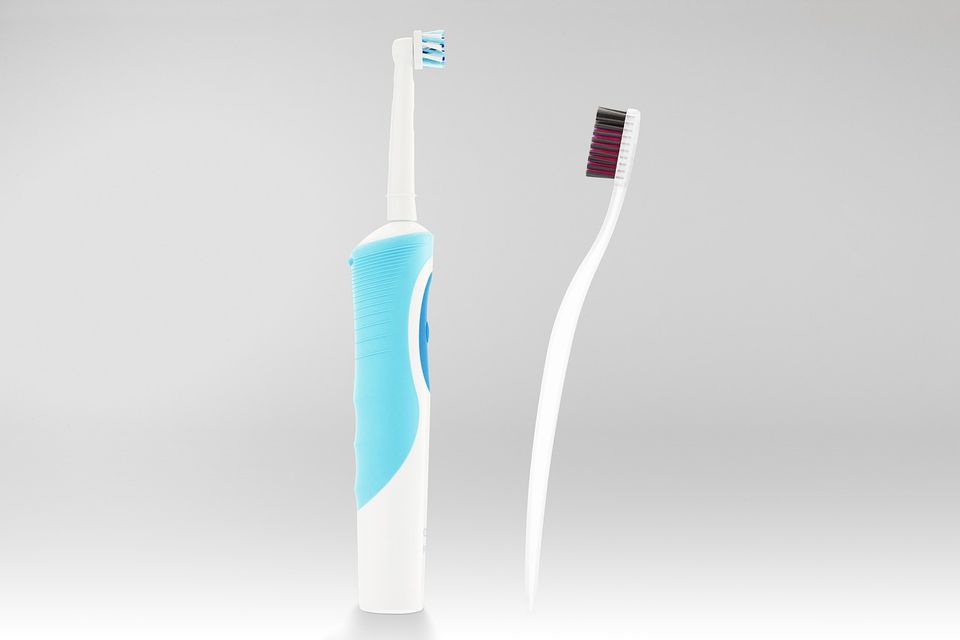
Electric or manual toothbrush: does it matter?
Electric or manual toothbrush: the NHS says both work equally well if you clean every surface and use fluoride toothpaste. Here is how to choose.
Sofia Benyahia4 min read
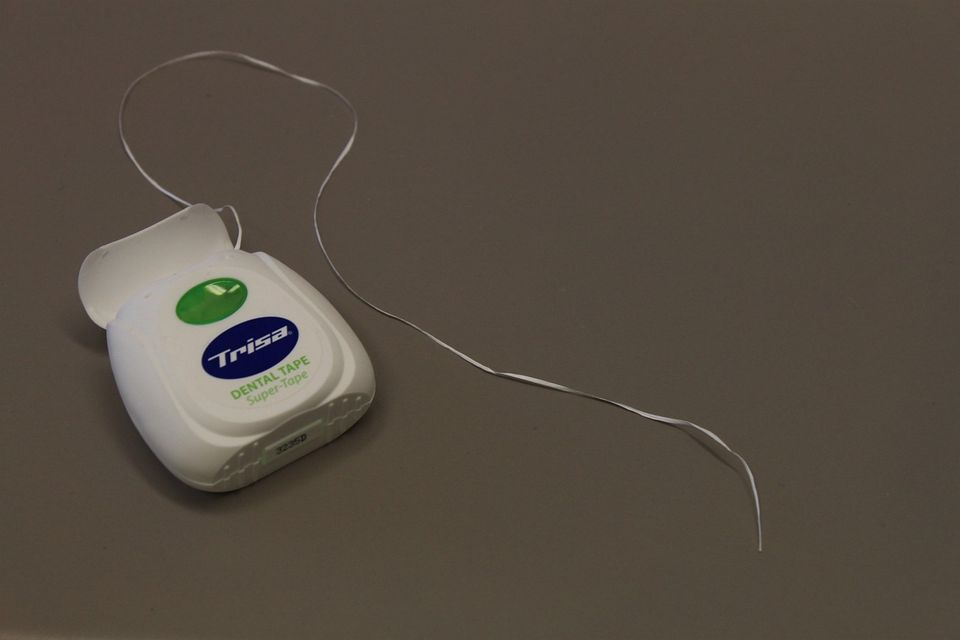
Floss or interdental brushes: which to use
Floss or interdental brushes for cleaning between teeth? Here is how they differ, who each suits and how to ask your dentist which size or type is right.
Sofia Benyahia3 min read

Dental veneers: what to ask before you commit
Thinking about dental veneers? Here is what they are, the trade-offs, who should place them and the questions to ask a licensed dentist before you agree.
Sofia Benyahia4 min read