
Braces or clear aligners: what to ask first
Thinking about braces or clear aligners for straighter teeth? Here are the questions to ask an orthodontist, and what to get in writing before you start.
Sofia Benyahia5 min read
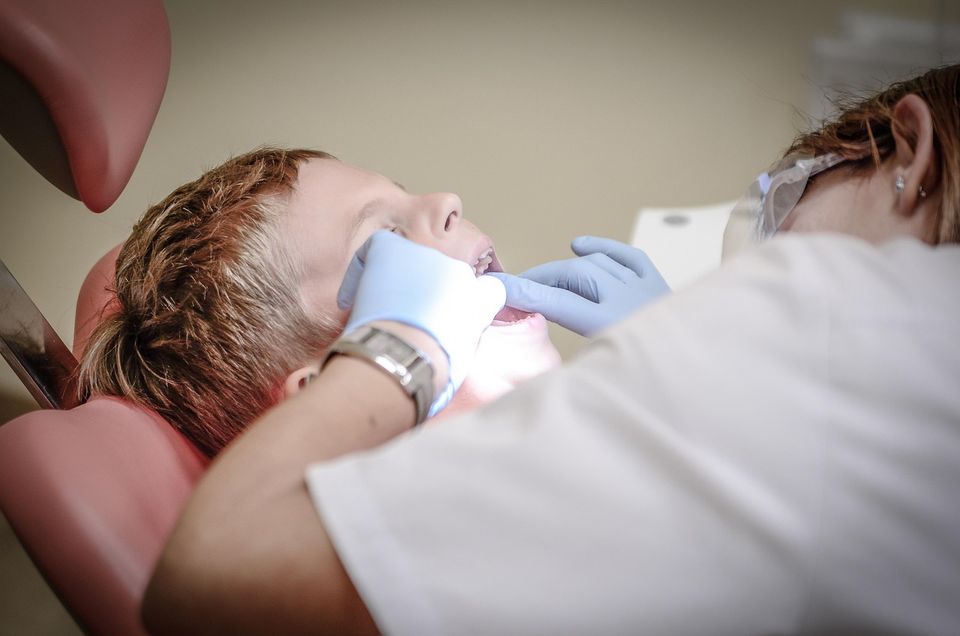
Braces and clear aligners both move teeth, and both can take many months. That is a long time to be tied to one clinic, so the questions below matter more than the logo on the box or the photos on a website. This page does not say which one is right for you. Only a licensed dentist or orthodontist (a dentist who specialises in tooth and jaw positions) can say that after looking at your teeth. This is general information, not medical advice.
What is the difference between braces and clear aligners?
Braces are fixed to your teeth. The NHS describes a common type: small brackets glued to each tooth, joined by a wire that puts gentle pressure on the teeth over time. Clear aligners are removable clear plastic trays that you change in a series. Both are meant to move teeth step by step.
The NHS says braces are often recommended for children and teenagers once their adult teeth have come through, and that adults can have them too. In the UK, braces are often free on the NHS for people under 18 who meet the criteria, and adults usually pay. Where you live, rules and insurance cover vary, so ask your insurer and your clinic what applies to you.

Questions to ask your clinic
- Who will plan my treatment, and who will check my progress? Is that person a licensed dentist or orthodontist?
- What did you find when you examined my teeth and jaw? Do you need X-rays or scans, and why?
- Are braces, aligners or both options for my case? What are the pros and cons of each for me?
- How long might treatment take, and what can make it longer?
- How many visits are there, and how often?
- What happens if I lose a tray, break a bracket or miss an appointment?
- What are the common side effects and risks?
- What will I need to do each day, and what do I need to avoid?
- What happens when treatment ends, and who provides the retainer?
- What is in the written quote, and what could be added later?
What should you know before the first fitting?
The NHS says teeth may be sore for a few days after braces are fitted, that soft food may help during that time, and that adjustments usually happen every 6 to 8 weeks. It also says you will need a retainer afterwards, a device that stops teeth drifting back, and that the orthodontist will tell you how long to wear it. Ask whether aligners work the same way for your case.
Tell the clinic about any past knocks or damage to your front teeth, as the NHS advises. Ask about gum health too, and see the brush comparison for cleaning basics. Teeth and gums usually need to be in good condition before treatment starts, so ask your dentist whether anything needs treating first.
Who is actually supervising?
Some offers are sold online or in shops with little face-to-face time. The NHS advice on cosmetic procedures says to book a consultation with the person who will do the work, and to avoid paying before you have had one. Apply the same rule here: ask for the name and licence of the dentist or orthodontist, and check it with our licence routine. Ask what happens if you have a problem when the clinic is closed.
Ruling: if nobody licensed has examined your mouth, you are not ready to pay.
What to expect
- Before. An examination, a medical and dental history, possibly X-rays or scans, a written plan and a written quote. Ask how long you can take to decide.
- At the visit. The plan is explained, and the braces are fitted or the first trays are handed over, with instructions. Ask your clinic what a typical visit involves.
- After. Regular check visits, daily cleaning, and later a retainer. Ask who to call if something breaks or hurts.
The NHS says to contact your orthodontist if teeth stay painful for more than a few days after fitting, if gums are very red, swollen or painful, or if a brace breaks. For severe pain, swelling or fever, contact a dentist or doctor urgently.
Red flags
- Treatment starts with no examination.
- Nobody can give you a licence number for the person supervising.
- Pressure to sign today because a discount ends.
- A promise about how straight your teeth will be or how fast.
- No written plan, no written quote, no retainer plan.
Common mistakes
- Comparing monthly amounts without asking how many months.
- Not asking what happens at the end. A retainer is part of the plan.
- Forgetting the dental check. Cavities and gum problems are best dealt with first, so ask your dentist.
How do you decide?
Say yes to all of these before you start: a licensed person examined me, I know who supervises, I have the plan, the length and the visits in writing, and I know what happens after. For help comparing offers, read why a quote can differ between two clinics. You can also search the clinic directory.
Quick questions
Do adults get braces too?
The NHS says adults can have braces as well as children. Ask a dentist or orthodontist whether treatment is suitable for your own teeth.
Are clear aligners quicker than braces?
It depends on your case. Ask the orthodontist for an honest range for you, and ask what could change it.
Will I need a retainer?
The NHS says a retainer is usually needed after braces to stop teeth moving back. Ask your clinic what applies to your treatment.
Who should I call if a brace breaks?
Your own orthodontist, as the NHS advises. Ask for the number before you start.
More to read
Keep reading
Whitening at a clinic or at home
How clinic whitening and home whitening differ, who each suits, the risks of both, and the checks to do first. General information, not medical advice.
Sofia Benyahia3 min read
What to ask before teeth whitening
Questions to ask a dental professional before whitening: whether it suits your teeth, how it is done, side effects, aftercare and what to get in writing.
Sofia Benyahia4 min read
Dentures or dental implants: questions to ask
Dentures or dental implants for missing teeth: how they differ in general, who decides, and the questions to ask a dentist before you agree to either.
Sofia Benyahia4 min read
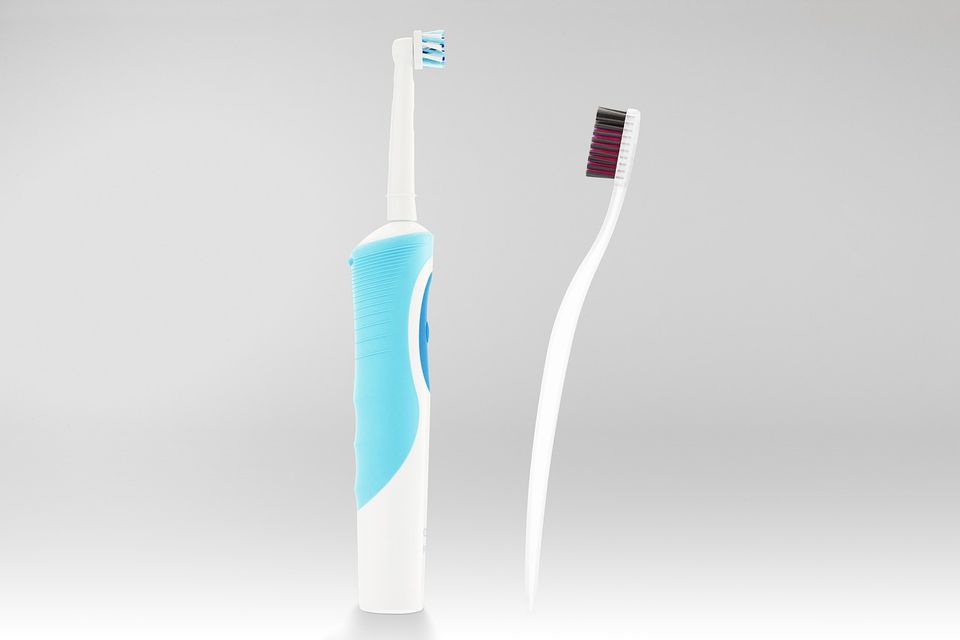
Electric or manual toothbrush: does it matter?
Electric or manual toothbrush: the NHS says both work equally well if you clean every surface and use fluoride toothpaste. Here is how to choose.
Sofia Benyahia4 min read
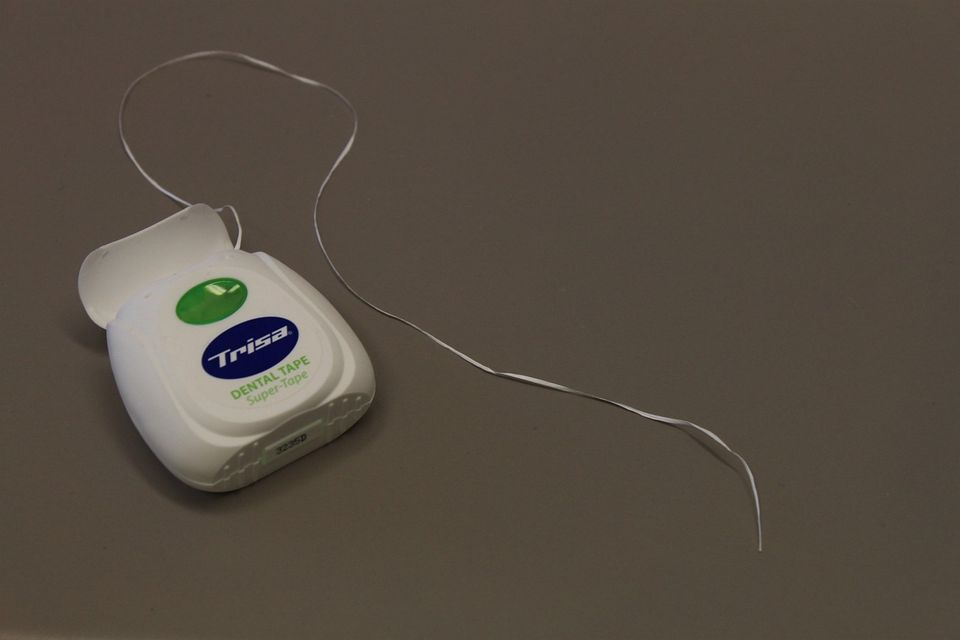
Floss or interdental brushes: which to use
Floss or interdental brushes for cleaning between teeth? Here is how they differ, who each suits and how to ask your dentist which size or type is right.
Sofia Benyahia3 min read

Dental veneers: what to ask before you commit
Thinking about dental veneers? Here is what they are, the trade-offs, who should place them and the questions to ask a licensed dentist before you agree.
Sofia Benyahia4 min read