
What to ask before teeth whitening
Questions to ask a dental professional before whitening: whether it suits your teeth, how it is done, side effects, aftercare and what to get in writing.
Sofia Benyahia4 min read
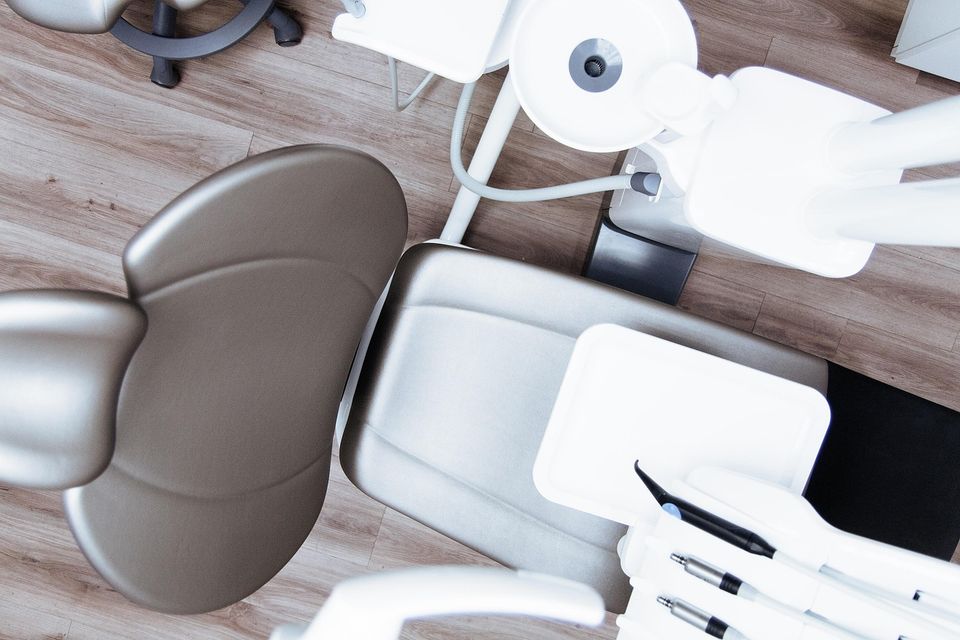
Teeth whitening looks like a simple extra. In practice it is a treatment applied to your teeth and gums, and it helps to know a few things before you start. This page is a list of what to ask, not a recommendation to whiten. It is general information, not medical advice, and your own dentist is the right person to say whether it suits you.
Should you see a dentist first?
Yes, in general. The American Dental Association says a cleaning before whitening can work better, because it removes plaque and lets the dentist deal with problems that whitening could make worse. It also notes that some people see enough change after a cleaning that they decide not to whiten. If you have sensitive teeth, the ADA advises asking a dentist about the risks and benefits first.

Things worth raising at the check:
- Existing fillings, crowns or veneers, which may not change colour in the same way as natural teeth. Ask your dentist what this means for you.
- Gum problems, cavities or worn enamel.
- Sensitivity to hot, cold or sweet food.
- Pregnancy or breastfeeding. Ask a licensed professional, because advice depends on the person.
Questions to ask your clinic
- Is whitening suitable for my teeth and gums, or should something be treated first?
- Who will do it, and what is their licence? (Use the licence routine to check.)
- What type of whitening agent is used, and at what strength?
- How are my gums protected during the treatment?
- What side effects are common, and how long do they typically last?
- How long can I expect the change to last, and what affects that?
- What aftercare do you advise, and who do I call if I have a problem?
- What is included in the quote, and is a top-up extra? (See why quotes differ.)
- What happens if I am not happy?
What to expect
- Before. An examination, a record of your current shade and a medical history. Ask for the quote and consent form in writing.
- At the visit. The practitioner protects your gums and lips, applies the product and checks on how you feel. Ask how long the visit typically takes.
- After. You may notice sensitivity. Ask your clinic for written aftercare, including what to avoid and for how long.

What should be in writing?
Ask for a short written record before you pay. It should name the clinic and the person treating you, describe the treatment and the type of product, list the risks that were explained to you, and give the quote with every line. Read the consent form at home if you can, and ask about any line you do not follow. A form you are asked to sign in a hurry is a reason to pause. Keep your copy, along with the aftercare sheet and a contact number, so you can refer back to them if you feel unwell later.
Red flags
- No examination, or no one named as the person treating you.
- Treatment in a salon, shop, home or event, away from a licensed clinic. Ask your local health regulator who is allowed to carry out whitening where you live.
- No information on the product or its strength.
- Promises about how many shades your teeth will change.
- Pressure to buy a package or pay on the day.
Home kits and clinic treatment
Over-the-counter products can give similar results to in-office treatment, but they may take longer, according to the ADA. The ADA also points to its Seal of Acceptance as a sign that a manufacturer has provided data to support claims about safety and effectiveness. If you are weighing the two routes, see our comparison of whitening at a clinic and at home.
A rule for deciding
Book only if you have had a dental check, you know who will treat you, you have the product, the risks and the aftercare in writing, and you can say what happens if you are unhappy. If any one is missing, ask again or pause. To start your search, see the clinic directory.

More to read
Keep reading
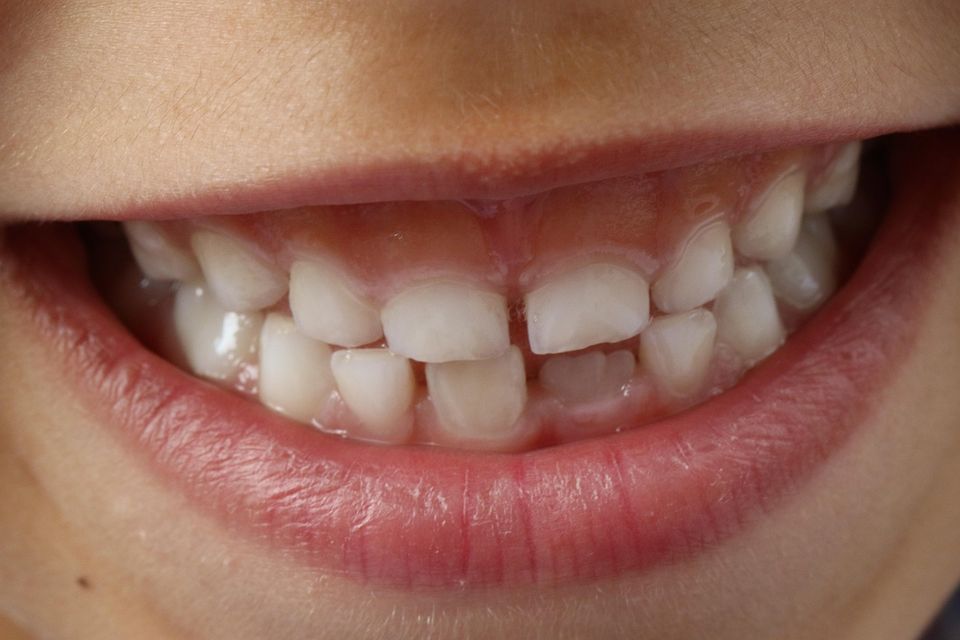
Whitening at a clinic or at home
How clinic whitening and home whitening differ, who each suits, the risks of both, and the checks to do first. General information, not medical advice.
Sofia Benyahia3 min read
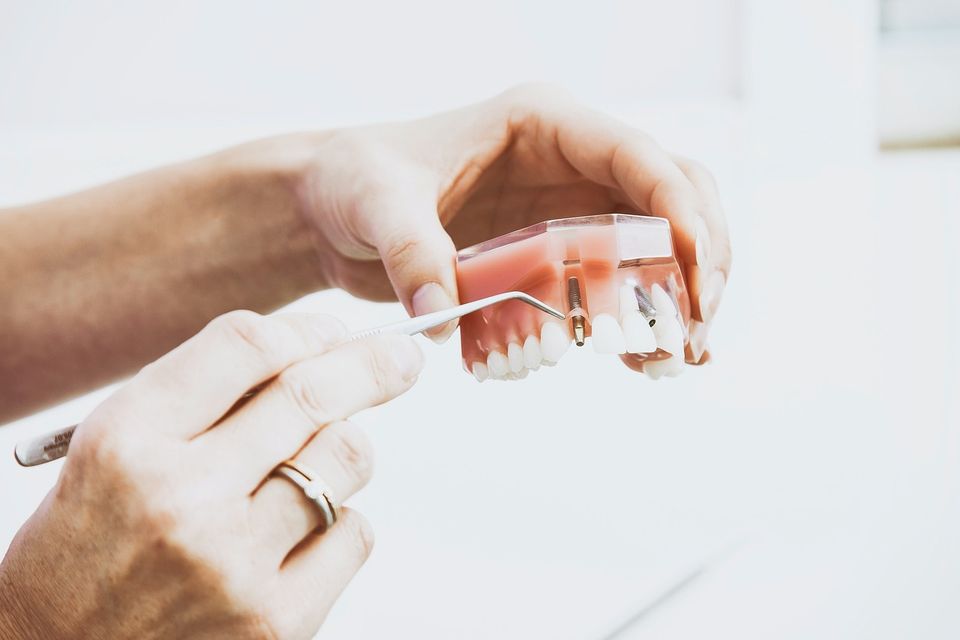
Dentures or dental implants: questions to ask
Dentures or dental implants for missing teeth: how they differ in general, who decides, and the questions to ask a dentist before you agree to either.
Sofia Benyahia4 min read
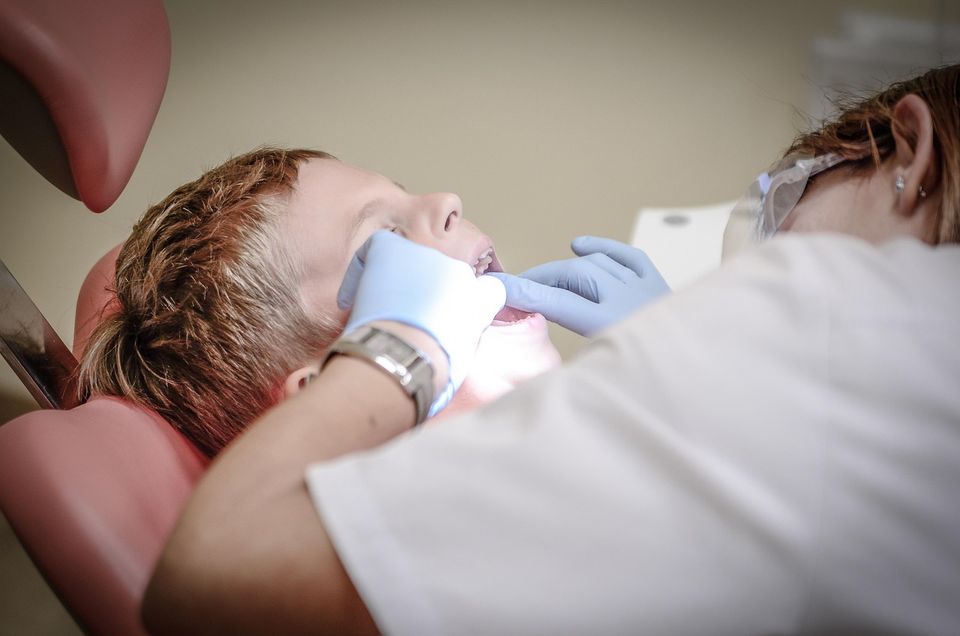
Braces or clear aligners: what to ask first
Thinking about braces or clear aligners for straighter teeth? Here are the questions to ask an orthodontist, and what to get in writing before you start.
Sofia Benyahia5 min read
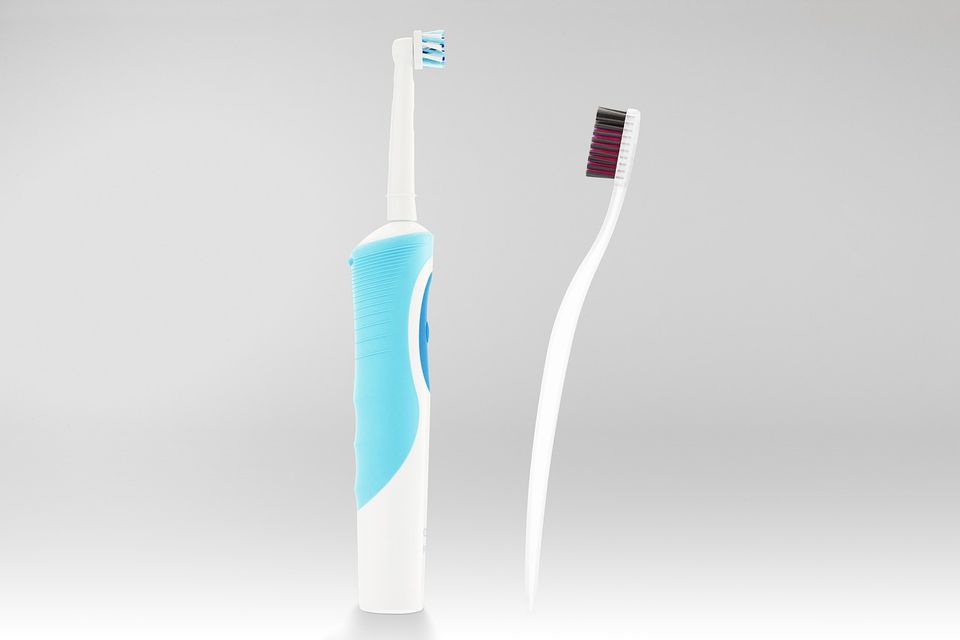
Electric or manual toothbrush: does it matter?
Electric or manual toothbrush: the NHS says both work equally well if you clean every surface and use fluoride toothpaste. Here is how to choose.
Sofia Benyahia4 min read
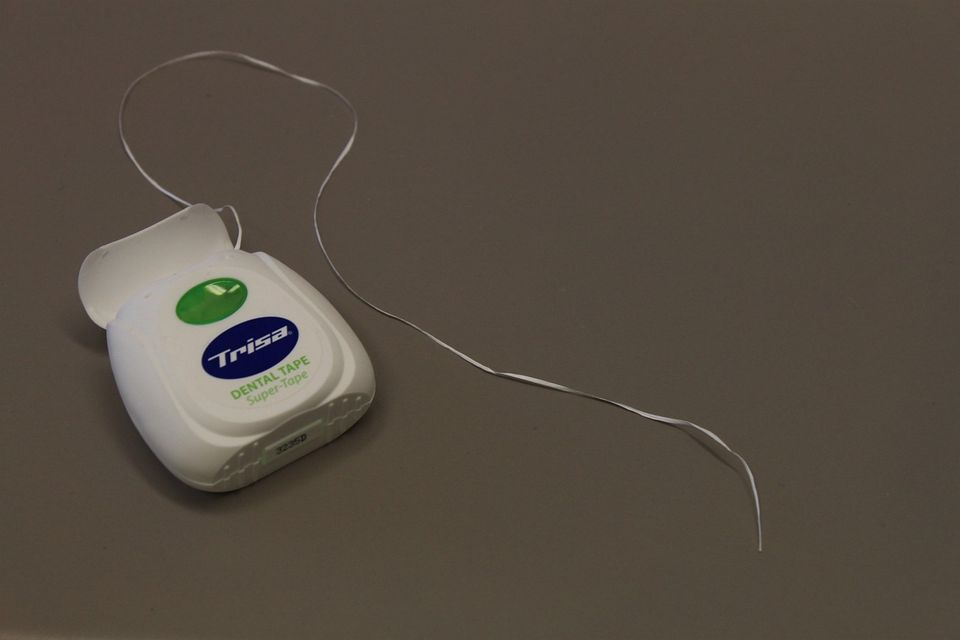
Floss or interdental brushes: which to use
Floss or interdental brushes for cleaning between teeth? Here is how they differ, who each suits and how to ask your dentist which size or type is right.
Sofia Benyahia3 min read

Dental veneers: what to ask before you commit
Thinking about dental veneers? Here is what they are, the trade-offs, who should place them and the questions to ask a licensed dentist before you agree.
Sofia Benyahia4 min read