
Electric or manual toothbrush: does it matter?
Electric or manual toothbrush: the NHS says both work equally well if you clean every surface and use fluoride toothpaste. Here is how to choose.
Sofia Benyahia4 min read
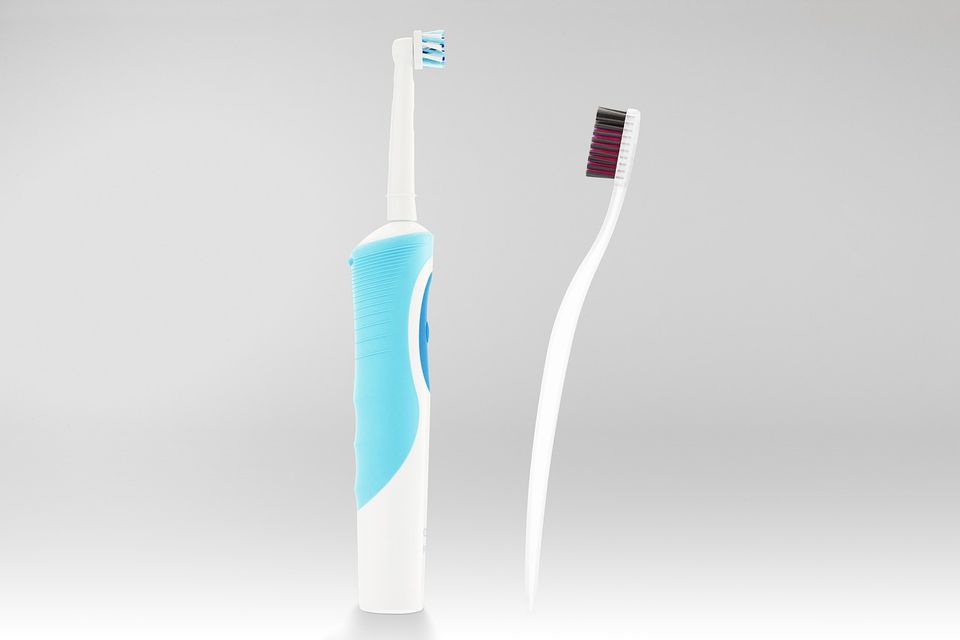
Verdict: it does not matter much which one you buy. The NHS says an electric toothbrush and a manual one are both equally good, as long as you clean all the surfaces of all your teeth and use fluoride toothpaste. Some people find it easier to clean thoroughly with an electric one. If that is you, an electric brush is a fair choice. If a manual brush works for you, there is no need to switch.
This is general information, not medical advice. Your dentist can tell you what suits your own teeth and gums.
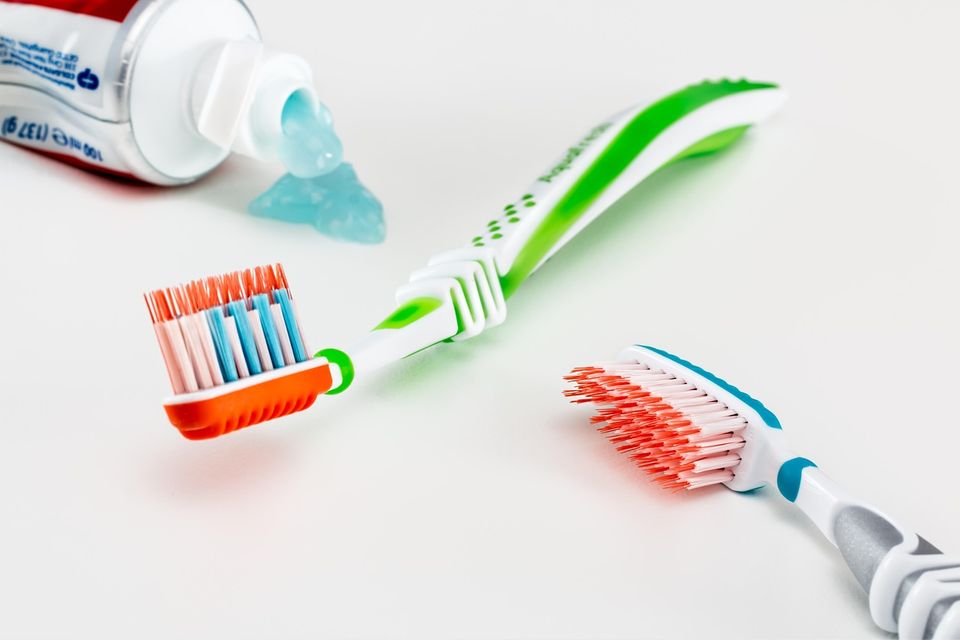
Which wins on
| Factor | Manual | Electric |
|---|---|---|
| Cleaning, per the NHS | Equally good if used well | Equally good if used well |
| Ease of use | You control every movement | The brush moves for you, which some people find easier |
| Running costs | Replace the whole brush | Replace the head, and charge or change batteries |
| Travel | Simple | Needs a charger or spare batteries |
| Good for | Anyone with good technique | People who find thorough brushing hard, or who like a built-in timer |
| Bristles | Soft or medium for most people | Soft or medium heads for most people |
Pick a manual brush if
- You already clean every surface in about two minutes.
- You want something simple that you can replace easily.
- You travel a lot and do not want a charger.
Pick an electric brush if
- You find it hard to reach every tooth with a manual brush.
- You rush, and a timer would help you reach two minutes.
- You have a hand or wrist problem that makes a manual brush awkward. Ask your dentist about this.
What matters more than the brush?
Rule: how you brush beats what you brush with. The NHS advice is to brush twice a day for about two minutes, with fluoride toothpaste, and to clean the inside, outside and chewing surfaces. It also says to spit out the extra toothpaste and not to rinse straight away, because rinsing washes away the fluoride left on your teeth.
For most adults, the NHS says a small head and medium or soft bristles are fine. Hard bristles and heavy pressure are not a plus. If your gums bleed or feel sore when you brush, ask a dentist rather than changing brushes at random. The same goes if you are about to start braces or clear aligners, where cleaning teeth well matters even more.
Common mistakes
- Buying an expensive brush and then brushing for 30 seconds.
- Using a worn brush with bent bristles. Replace brushes or heads when they look worn.
- Skipping the back teeth and the inside surfaces.
- Brushing hard. A gentle, thorough clean is the aim.
Our guide on what to ask before teeth whitening starts with a dental check, and that check is also a good time to ask about your brushing.
Quick questions
Is an electric toothbrush better than a manual one?
Not according to the NHS. It says both are equally good when used properly. Some people find an electric brush makes thorough cleaning easier.
Should I use hard, medium or soft bristles?
The NHS says medium or soft bristles are best for most people. If you are unsure, ask a dentist about your own mouth.
How long should I brush for?
The NHS advice is about two minutes, twice a day, with fluoride toothpaste.
Does my dentist need to approve my brush?
You do not need approval to buy one. Do ask at your next check if you have sore gums, sensitive teeth or any pain when you brush.
More to read
Keep reading
Whitening at a clinic or at home
How clinic whitening and home whitening differ, who each suits, the risks of both, and the checks to do first. General information, not medical advice.
Sofia Benyahia3 min read
What to ask before teeth whitening
Questions to ask a dental professional before whitening: whether it suits your teeth, how it is done, side effects, aftercare and what to get in writing.
Sofia Benyahia4 min read
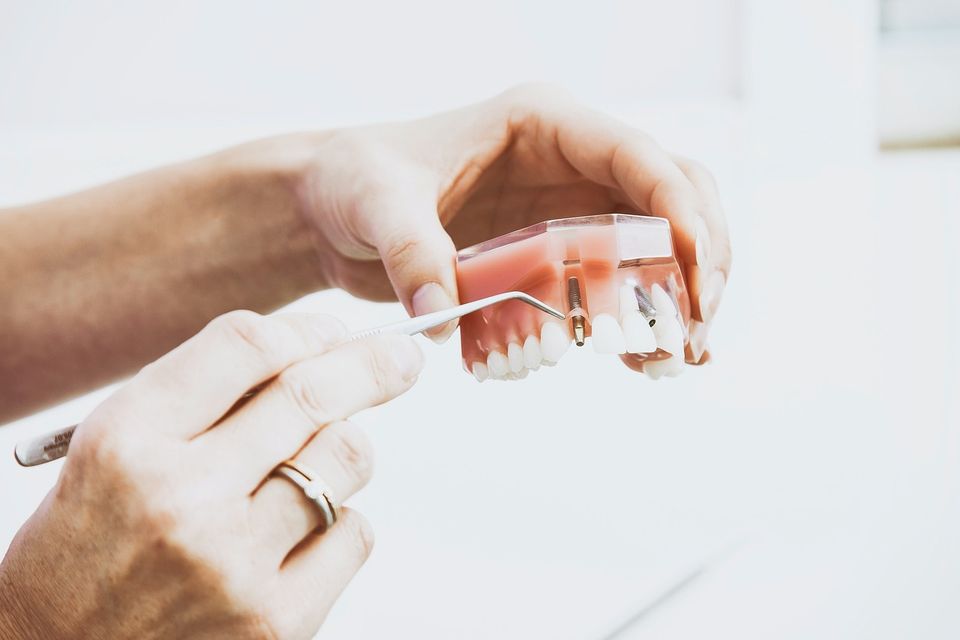
Dentures or dental implants: questions to ask
Dentures or dental implants for missing teeth: how they differ in general, who decides, and the questions to ask a dentist before you agree to either.
Sofia Benyahia4 min read
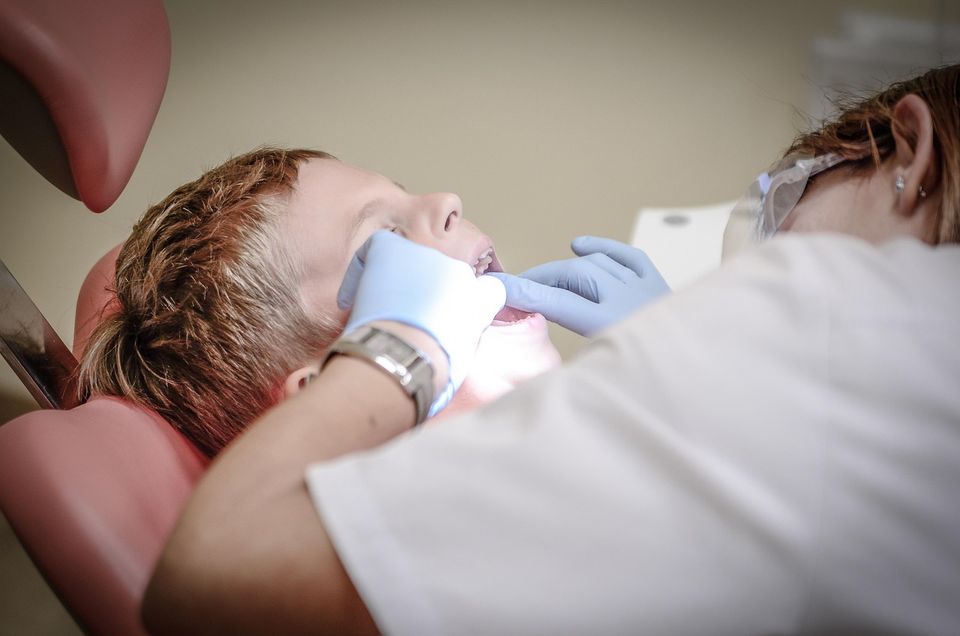
Braces or clear aligners: what to ask first
Thinking about braces or clear aligners for straighter teeth? Here are the questions to ask an orthodontist, and what to get in writing before you start.
Sofia Benyahia5 min read
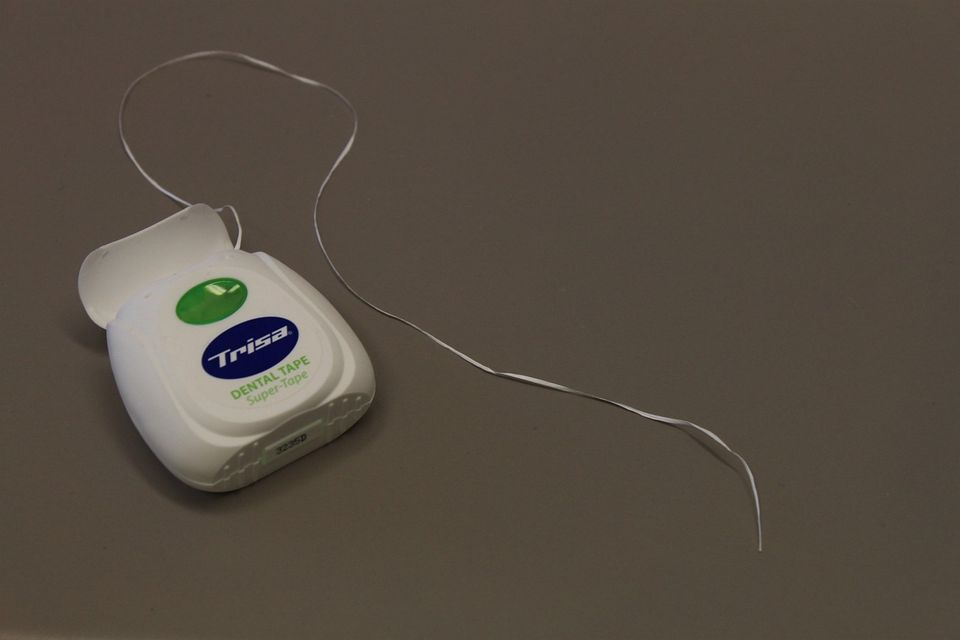
Floss or interdental brushes: which to use
Floss or interdental brushes for cleaning between teeth? Here is how they differ, who each suits and how to ask your dentist which size or type is right.
Sofia Benyahia3 min read
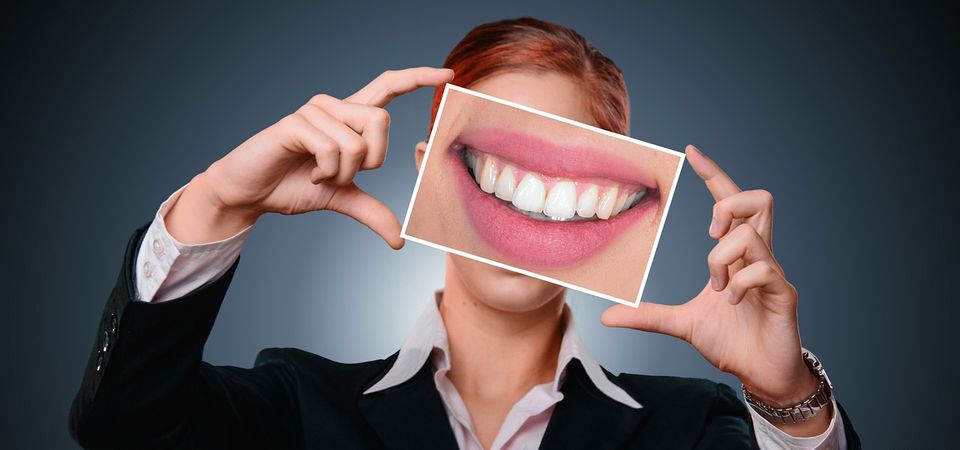
Dental veneers: what to ask before you commit
Thinking about dental veneers? Here is what they are, the trade-offs, who should place them and the questions to ask a licensed dentist before you agree.
Sofia Benyahia4 min read