
Floss or interdental brushes: which to use
Floss or interdental brushes for cleaning between teeth? Here is how they differ, who each suits and how to ask your dentist which size or type is right.
Sofia Benyahia3 min read
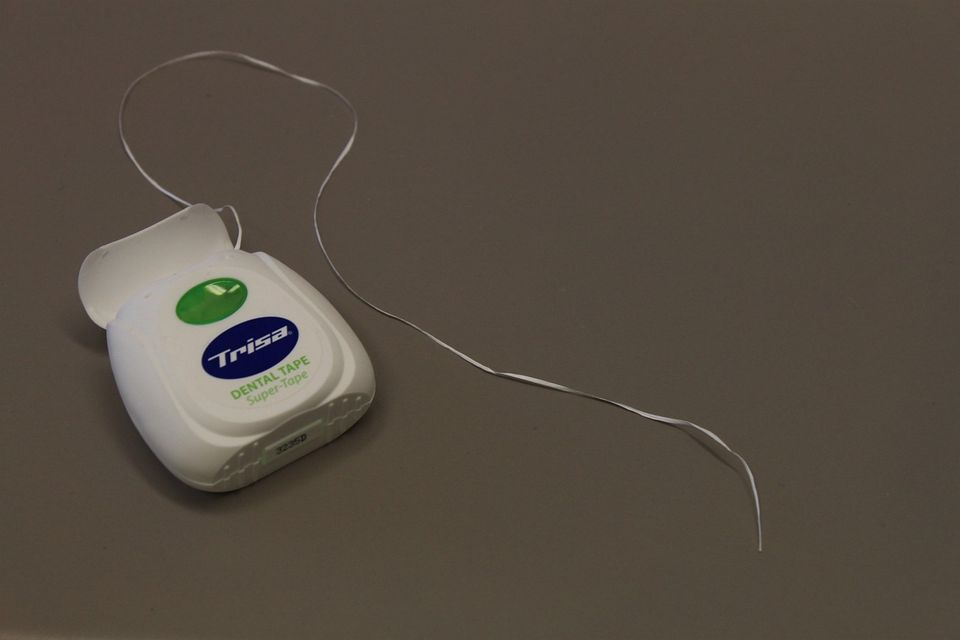
Verdict: floss and interdental brushes do the same job, cleaning the gaps your toothbrush cannot reach. The better one is the one that fits your gaps and that you will actually use each day. The NHS advises cleaning between your teeth daily, as part of a routine with fluoride toothpaste.
Which wins on
| Question | Floss | Interdental brush |
|---|---|---|
| Best for | Tight gaps between teeth | Wider gaps, or gaps with some space |
| Ease | Takes a little practice | Often easier to hold and use |
| Sizing | One size | Comes in sizes, so fit matters |
| Around braces or bridges | Needs a special threader | Often handier, if the size fits |
| Cost | Usually low | Usually low, but sizes add up |
Pick floss if
- Your teeth are close together and a brush will not fit
- You are comfortable using it, or willing to learn
- Your dentist suggests it for a certain area
Pick interdental brushes if
- Your gaps are wide enough for a small brush
- Floss is hard for you to hold or control
- You have bridges, braces or other work, and your dentist advises it
Decision rule
If a brush fits the gap with a gentle push, it is a good option. If you have to force it, use floss or a smaller size. Never force either into a gap.
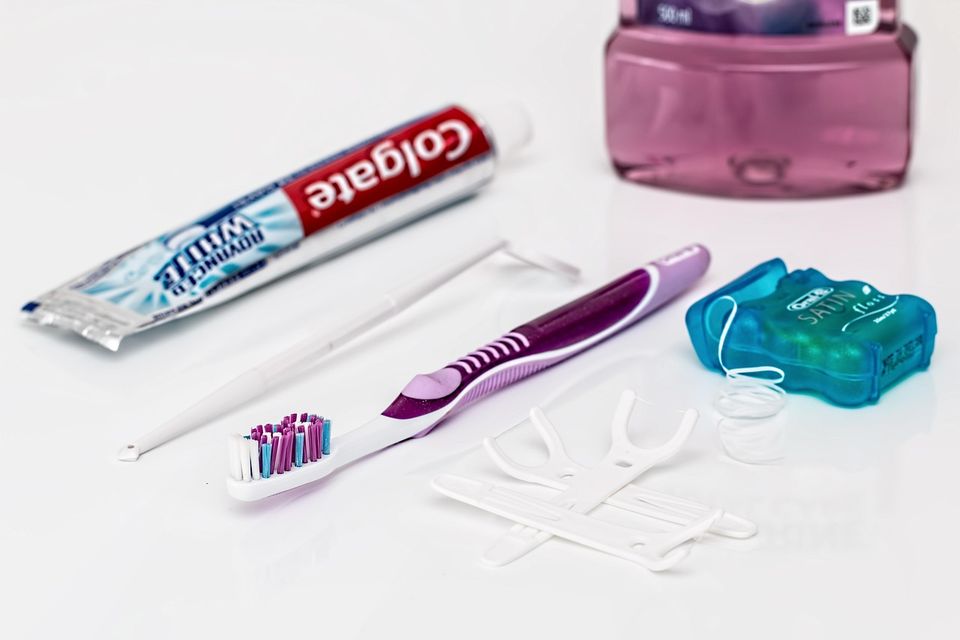
How do I find my size?
Ask your dentist or hygienist to show you. Many clinics will check your gaps and name the sizes. Sizes differ by maker, so write down the number or colour and the maker's size chart. Gaps in different parts of the mouth may need different sizes.
What mistakes are common?
- Forcing a brush that is too big
- Snapping floss against the gum instead of sliding it
- Skipping the back teeth
- Giving up after a few days because gums bleed a little at first. If bleeding keeps on, tell your dentist, since it can be a sign to check your gums. See the NHS page on gum disease and ask a dentist about your own case.
What about water flossers?
Some people use water flossers. Ask your dentist whether they would suit you and how to use them with, not instead of, other cleaning.
Caution
If you have sore, swollen or bleeding gums that do not settle, or a loose tooth, see a dentist rather than trying new tools. Our page on how often you should see a dentist explains how the gap between visits is set, and electric or manual toothbrush covers the brush itself.
General information, not advice for your teeth.
Quick questions
Is brushing enough on its own?
The NHS advises cleaning between teeth too, because a toothbrush cannot reach every gap.
How often should I clean between my teeth?
Daily is the usual advice. Ask your dentist what suits you.
Can children use these?
Ask a dentist about what suits a child's teeth and age.
Which one is better for braces?
Ask your orthodontist. See braces or clear aligners for questions to ask.
More to read
Keep reading
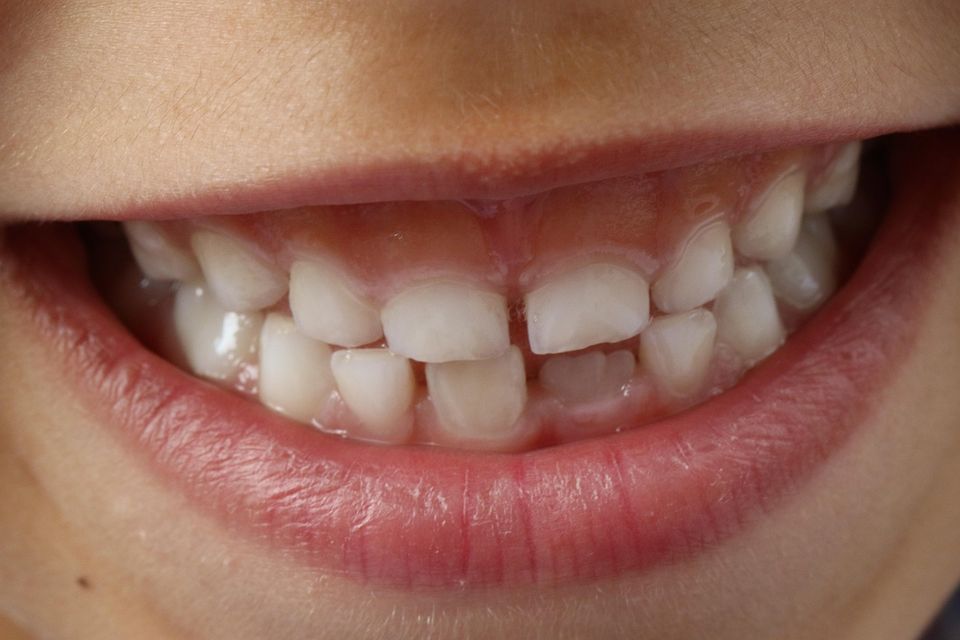
Whitening at a clinic or at home
How clinic whitening and home whitening differ, who each suits, the risks of both, and the checks to do first. General information, not medical advice.
Sofia Benyahia3 min read
What to ask before teeth whitening
Questions to ask a dental professional before whitening: whether it suits your teeth, how it is done, side effects, aftercare and what to get in writing.
Sofia Benyahia4 min read
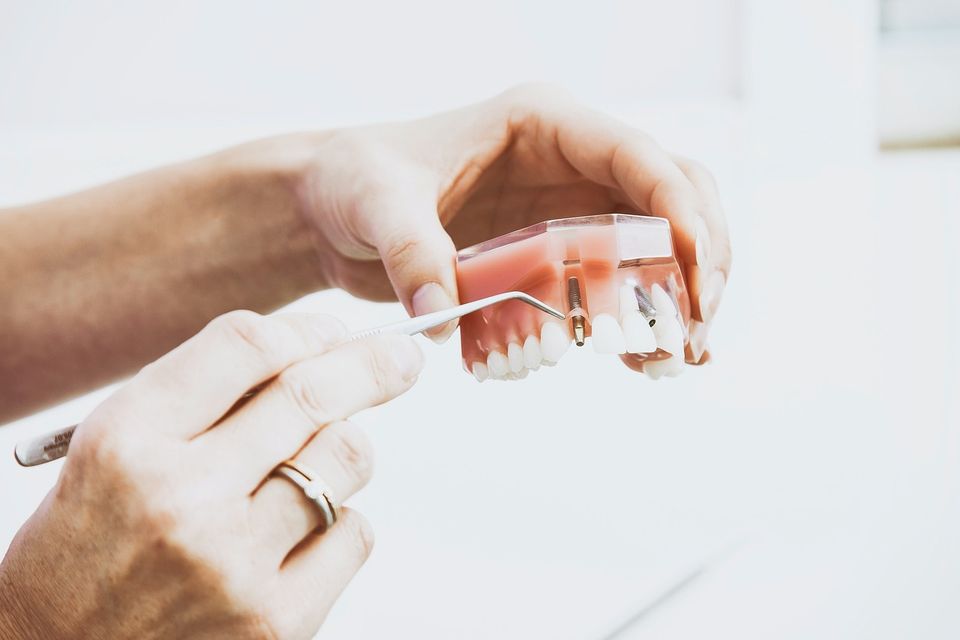
Dentures or dental implants: questions to ask
Dentures or dental implants for missing teeth: how they differ in general, who decides, and the questions to ask a dentist before you agree to either.
Sofia Benyahia4 min read
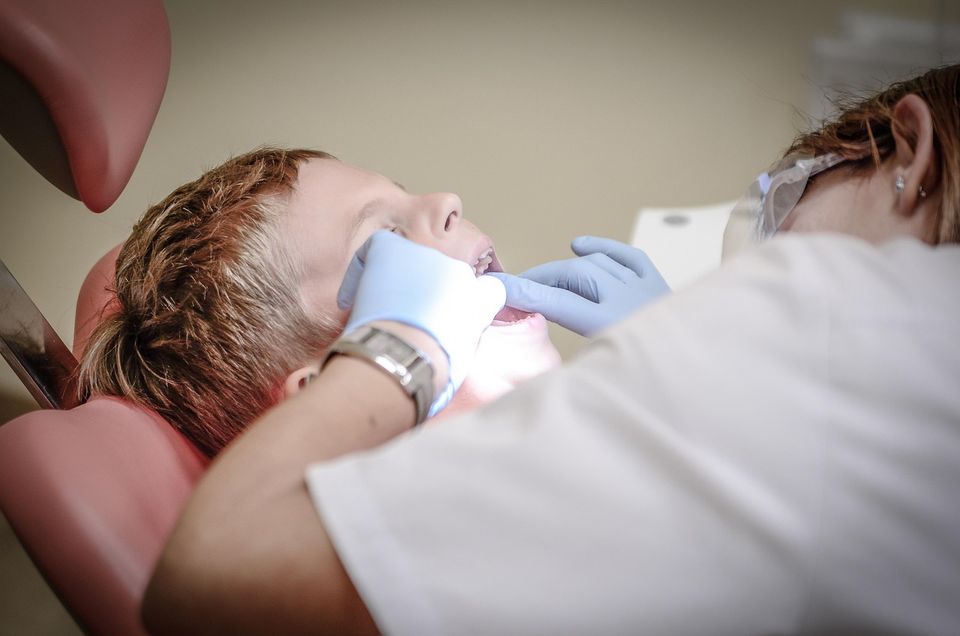
Braces or clear aligners: what to ask first
Thinking about braces or clear aligners for straighter teeth? Here are the questions to ask an orthodontist, and what to get in writing before you start.
Sofia Benyahia5 min read
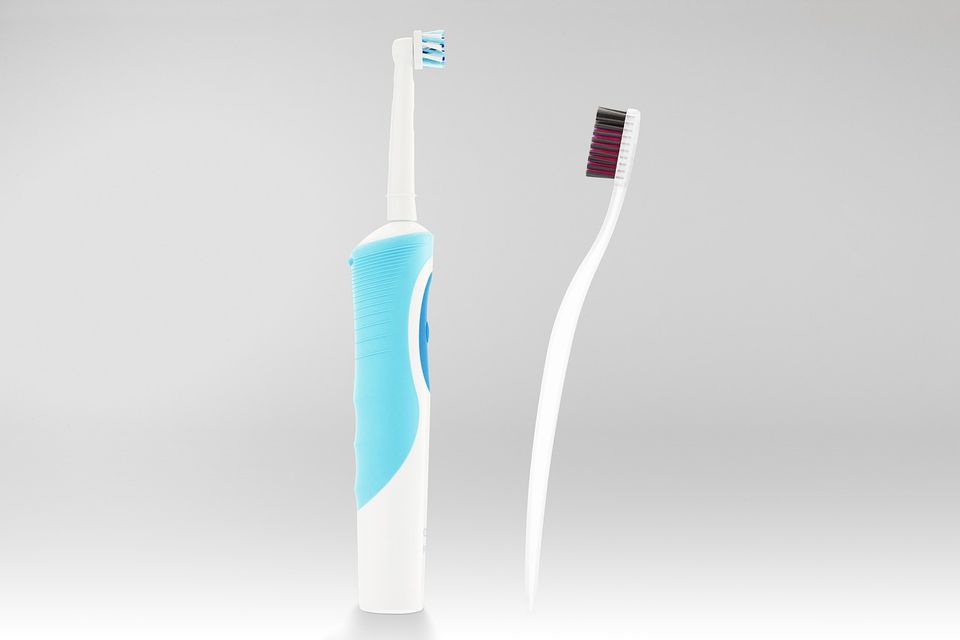
Electric or manual toothbrush: does it matter?
Electric or manual toothbrush: the NHS says both work equally well if you clean every surface and use fluoride toothpaste. Here is how to choose.
Sofia Benyahia4 min read

Dental veneers: what to ask before you commit
Thinking about dental veneers? Here is what they are, the trade-offs, who should place them and the questions to ask a licensed dentist before you agree.
Sofia Benyahia4 min read