
Dental treatment plan: questions to ask first
Got a dental treatment plan? Here are the questions to ask your dentist about each step, the order, the cost range and what is in writing before you agree.
Sofia Benyahia5 min read

A treatment plan is a list of what your dentist suggests, in what order, and for what fee. You do not have to say yes in the chair. A good plan can be read at home, line by line, and questioned. This page gives you the questions.
It is general information, not advice about your own teeth. Ask a licensed dentist about your own case.
What should a dental treatment plan include?
A usable plan names each treatment, the tooth or area, the reason, the order and the cost for each line. If it is one number with no lines, ask for the lines.
Look for these:
- Each step, named in plain words
- Which tooth or area it covers
- Why it is suggested
- Whether it is urgent or can wait
- The fee for each line and a total
- The number of visits
If a word is unclear, ask for a one-line explanation. You can also ask for a drawing or a photo of your own teeth taken at the visit.
Questions to ask your dentist about the plan
Questions to ask your clinic
- What does each step do, in plain words?
- Which steps are urgent, and which can wait a few months?
- What may happen if I wait on each one?
- Are there other options, and how do they differ?
- What is the total, and what could be added later?
- Who will carry out each step, and are they licensed for it?
- What do I do if something hurts after a visit?
Ruling: if you get clear answers to questions 2 and 3, you can sort the plan into "now" and "later". If the answers are vague, ask again or get a second view.
How do I tell urgent from optional?
Dentists often split plans into groups. A tooth that hurts, is infected or is breaking is usually in the first group. Tooth colour or shape changes are often in the second. The NHS explains that decay left alone can get worse over time, so some steps do not suit long delays. Your dentist can tell you which kind each line is.
Use this rule of thumb to start the talk:
- Pain, swelling or a broken tooth: ask for the earliest visit and follow your dentist.
- Something found at a check but with no pain: ask how fast it could change and when to re-check.
- A cosmetic wish: you decide the timing, after you understand the options.
Swelling in the face, a fever or trouble breathing or swallowing needs urgent medical care. Do not wait for a plan.
Worked example: two ways to read the same plan
Say a plan has four lines. These numbers are made up to show the idea.
| Line | Step | Urgency | Cost shown |
|---|---|---|---|
| 1 | Clean | Routine | $ |
| 2 | Fill one tooth | Soon | $$ |
| 3 | Crown one tooth | Ask when | $$$ |
| 4 | Whitening | Optional | $$ |
Read line by line, you can start with 1 and 2, ask about the timing of 3, and decide on 4 later. If all four were bundled into one number, you would have to say yes or no to all of them.
What if I want a second view?
You can ask for copies of your records and X-rays and take them to another licensed dentist. This is a normal request. Some clinics may charge a small admin fee for copies, so ask first. Our page on a second opinion covers how to ask.
How should I compare costs?
Compare lines, not totals. Check what each fee covers: the visit, the materials, the lab work, follow-up. Our guide to reading a treatment quote shows what to look for. Cost is only one part of the choice. A plan that is clear and well explained is worth more than one that is only short.
Common mistakes
- Saying yes in the chair without reading it
- Treating a verbal "about this much" as a quote
- Not asking what can wait
- Not asking who does the work
- Forgetting to ask about aftercare and who to call
Where does the answer change?
If you have severe pain, swelling or a fever, the usual "take your time" rule changes. Contact a dentist or seek urgent care the same day. Plans for children, or for people with health conditions or on regular medicine, may need extra checks. Tell your dentist about both.
Quick questions
Do I have to agree to a plan on the day?
No. Ask to take it home. A clinic that rushes you is giving you information about itself.
Can I do only part of the plan?
Often yes, but ask what the risks of leaving out each part are. Your dentist can tell you which steps depend on others.
Is a treatment plan the same as a quote?
Not always. A plan lists steps. A quote gives costs. Ask for both, in writing, with the lines shown.
Who can I ask if I am unsure?
Ask your dentist first. Then ask another licensed dentist for a second view if you wish. Always ask a licensed professional about your own case.
More to read
Keep reading
Whitening at a clinic or at home
How clinic whitening and home whitening differ, who each suits, the risks of both, and the checks to do first. General information, not medical advice.
Sofia Benyahia3 min read

What to ask before teeth whitening
Questions to ask a dental professional before whitening: whether it suits your teeth, how it is done, side effects, aftercare and what to get in writing.
Sofia Benyahia4 min read
Dentures or dental implants: questions to ask
Dentures or dental implants for missing teeth: how they differ in general, who decides, and the questions to ask a dentist before you agree to either.
Sofia Benyahia4 min read
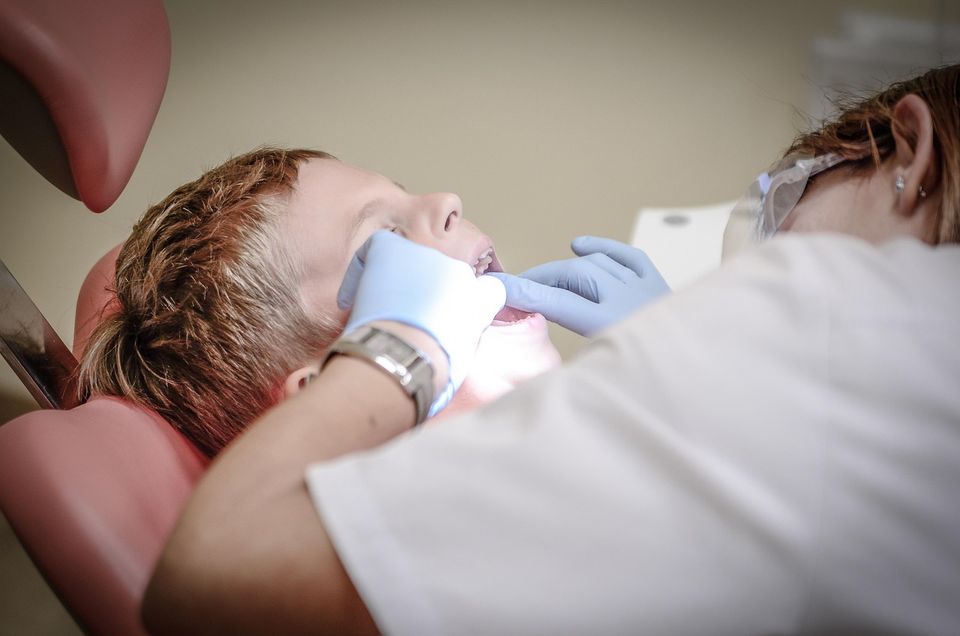
Braces or clear aligners: what to ask first
Thinking about braces or clear aligners for straighter teeth? Here are the questions to ask an orthodontist, and what to get in writing before you start.
Sofia Benyahia5 min read
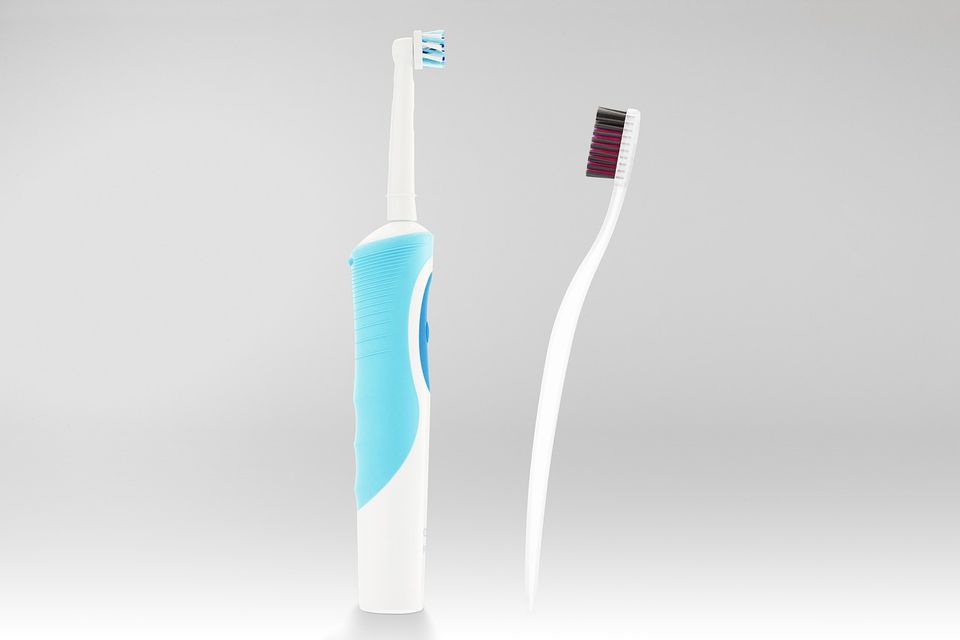
Electric or manual toothbrush: does it matter?
Electric or manual toothbrush: the NHS says both work equally well if you clean every surface and use fluoride toothpaste. Here is how to choose.
Sofia Benyahia4 min read
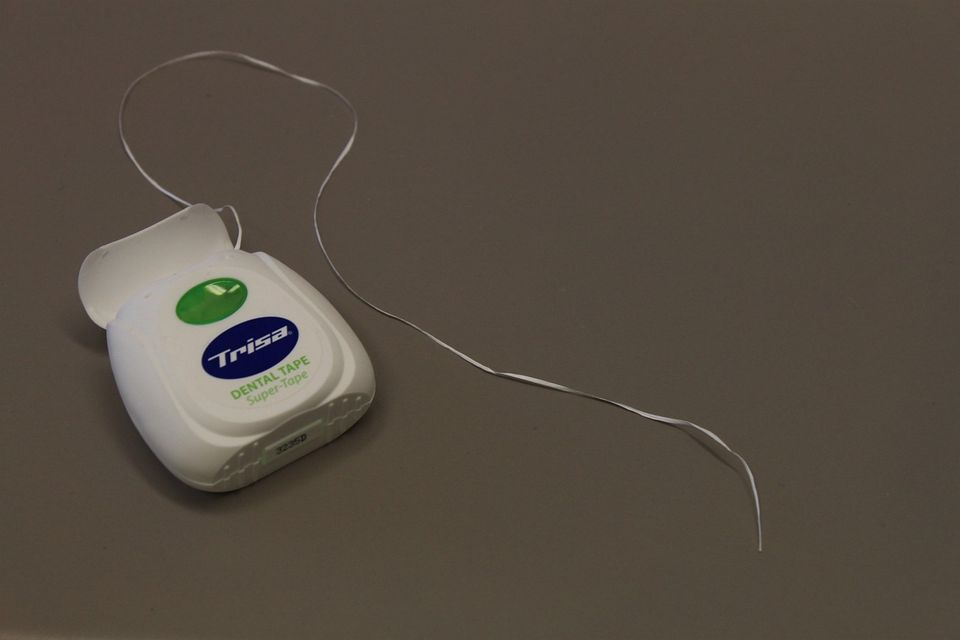
Floss or interdental brushes: which to use
Floss or interdental brushes for cleaning between teeth? Here is how they differ, who each suits and how to ask your dentist which size or type is right.
Sofia Benyahia3 min read