
How to patch test a new skincare product
How to patch test a new skincare product: where to put it, how long to wait, what a reaction can look like and when to stop and ask a doctor or pharmacist.
Thomas Lefèvre2 min read
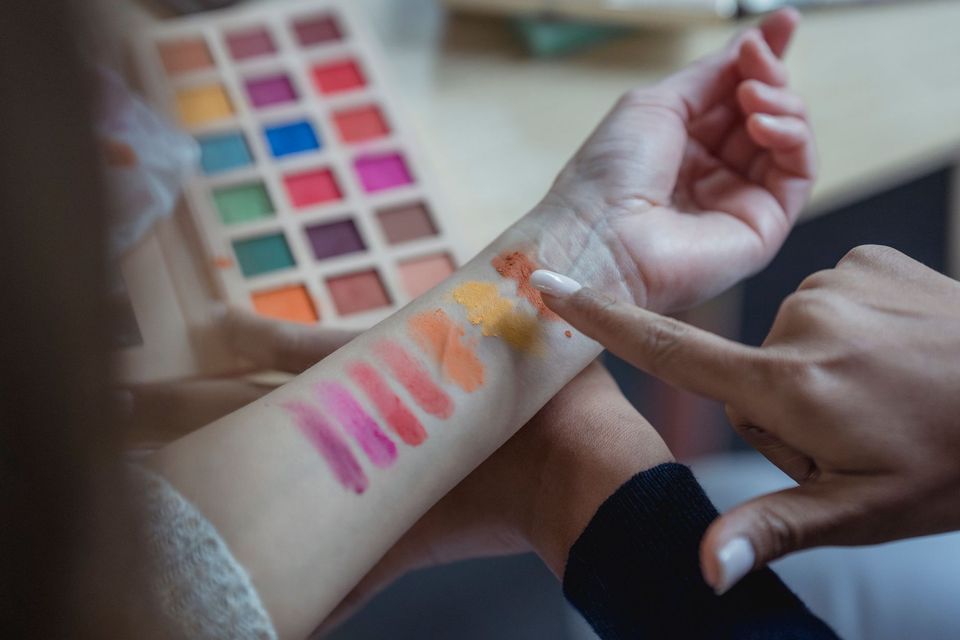
A patch test is a small trial of a new product on a small piece of skin before you use it more widely. It is a common step, and the NHS mentions it in its advice on contact dermatitis, a skin reaction to things that touch the skin. A patch test does not guarantee that you will not react later.
What are the usual steps?
- Wash and dry a small area, such as the inner forearm or behind the ear. Check the product label first, since some give their own directions.
- Apply a small amount.
- Leave it for the time the label says. If it gives none, ask a pharmacist.
- Look for redness, itching, burning, swelling or blisters, and check again over the following day or two.
- If any of these appear, wash it off and stop. If you only see no change, try a small amount on the real area next.
A rule to use
One new product at a time, a patch first, a gap between products. If you add three things in one week and your skin reacts, you cannot tell which one did it. See also how to read a skincare label.
The exception
Do not patch test and wait if you have had a serious reaction to a product in the past. Ask a doctor first. If you get swelling of the face, lips or tongue, trouble breathing, or a rash that spreads fast, seek urgent medical care.
Patch tests for clinic treatments are done by the practitioner. Ask your clinic whether they do one, as the checklist in skin treatment consultation checklist suggests.
This is general information. Ask a licensed professional about your own skin.
More to read
Keep reading

Laser hair removal: what to ask before you book
Laser hair removal questions to ask before booking: who is licensed, how skin and hair are assessed, side effects, aftercare and what to get in writing.
Thomas Lefèvre4 min read
Acne: when to see a dermatologist, not a salon
Acne is common and has many treatment options. Here is when official advice suggests seeing a doctor or dermatologist, and what to ask at the visit.
Thomas Lefèvre2 min read

Should I get a mole checked? What to do next
Wondering whether to get a mole checked? Here is when the NHS says to see a doctor, who to ask and what to bring, in plain words. Not a diagnosis.
Thomas Lefèvre2 min read
Questions to ask before a chemical peel
Thinking about a chemical peel? Here are the questions to ask a licensed professional, red flags to watch for and what to expect before and after.
Thomas Lefèvre5 min read
How to choose a sunscreen: SPF, stars and amounts
How to choose a sunscreen for daily use: what SPF and UVA star ratings mean, how much to apply and when to reapply, based on NHS and AAD advice.
Thomas Lefèvre5 min read

Laser tattoo removal: what to ask before you book
Thinking about laser tattoo removal? Here are the questions to ask about who is licensed, the laser used, skin checks, side effects, sessions and aftercare.
Thomas Lefèvre4 min read