
Acne: when to see a dermatologist, not a salon
Acne is common and has many treatment options. Here is when official advice suggests seeing a doctor or dermatologist, and what to ask at the visit.
Thomas Lefèvre2 min read
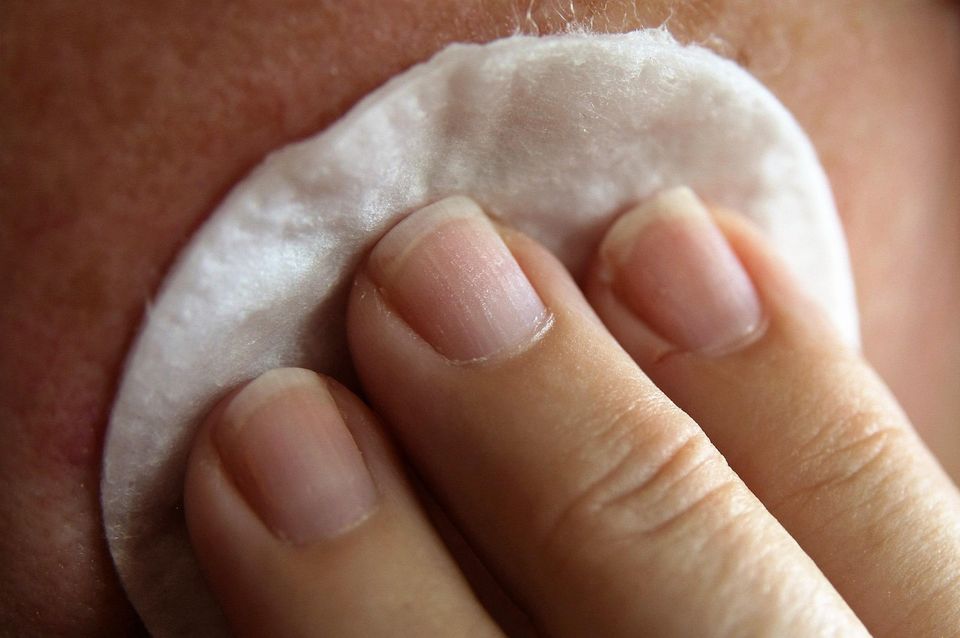
The NHS describes acne as a common skin condition that causes spots, from a few mild ones to deep, painful lumps, and says there are many treatment options and ways to manage it. It also says acne can leave scars and can affect mental health, causing anxiety, low self-esteem and low mood.
This page cannot tell you what is happening on your skin. General information, not medical advice.
Why see a doctor first?
Different spots and lumps can need different approaches, and a salon or social media page cannot examine you. A doctor or dermatologist can look at your skin, ask about your health and medicines, and explain the options. They can also tell you when something is not acne.
What to ask
- What type of acne do you think this is, and why?
- What are the options for me, and the possible side effects of each?
- Do any of them affect pregnancy, other medicines or other conditions?
- How long should I try something before we review it?
- What should I do about marks or scars, and when is it too early to treat them?
If a clinic offers a package, ask the same questions plus who is licensed to treat you. Our licence routine shows how to check, and the chemical peel questions can help if a peel is offered.
The exception
If you feel low, anxious or unable to cope because of your skin, tell a doctor. The NHS says acne can affect mental health, and that is a good reason to be seen sooner. If you have fever, severe pain, spreading redness or swelling, get urgent medical help.
More to read
Keep reading

Laser hair removal: what to ask before you book
Laser hair removal questions to ask before booking: who is licensed, how skin and hair are assessed, side effects, aftercare and what to get in writing.
Thomas Lefèvre4 min read

Should I get a mole checked? What to do next
Wondering whether to get a mole checked? Here is when the NHS says to see a doctor, who to ask and what to bring, in plain words. Not a diagnosis.
Thomas Lefèvre2 min read
Questions to ask before a chemical peel
Thinking about a chemical peel? Here are the questions to ask a licensed professional, red flags to watch for and what to expect before and after.
Thomas Lefèvre5 min read
How to choose a sunscreen: SPF, stars and amounts
How to choose a sunscreen for daily use: what SPF and UVA star ratings mean, how much to apply and when to reapply, based on NHS and AAD advice.
Thomas Lefèvre5 min read

Laser tattoo removal: what to ask before you book
Thinking about laser tattoo removal? Here are the questions to ask about who is licensed, the laser used, skin checks, side effects, sessions and aftercare.
Thomas Lefèvre4 min read

Sunburn: what to do and when to get help
Sunburn: general first steps from official advice, such as getting out of the sun and cooling the skin, and the signs that mean you should seek medical help.
Thomas Lefèvre2 min read