
How to choose a sunscreen: SPF, stars and amounts
How to choose a sunscreen for daily use: what SPF and UVA star ratings mean, how much to apply and when to reapply, based on NHS and AAD advice.
Thomas Lefèvre5 min read
To choose a sunscreen, check the label for three things: an SPF of 30 or higher, protection against both UVA and UVB rays (often called broad spectrum), and an expiry date that has not passed. Then use enough of it. That covers most of the decision. This is general information, not medical advice. A dermatologist can advise on your own skin, especially if you burn easily or have a skin condition.
What do SPF and the UVA stars mean?
SPF stands for sun protection factor. The NHS says it measures protection from UVB, the rays that mainly cause sunburn. The star rating, up to five stars on UK products, measures UVA protection. The NHS says to look for SPF 30 or higher and at least four stars. Some labels use a circled "UVA" mark instead, meaning the product meets the EU standard. A product that protects against both is often called broad spectrum.
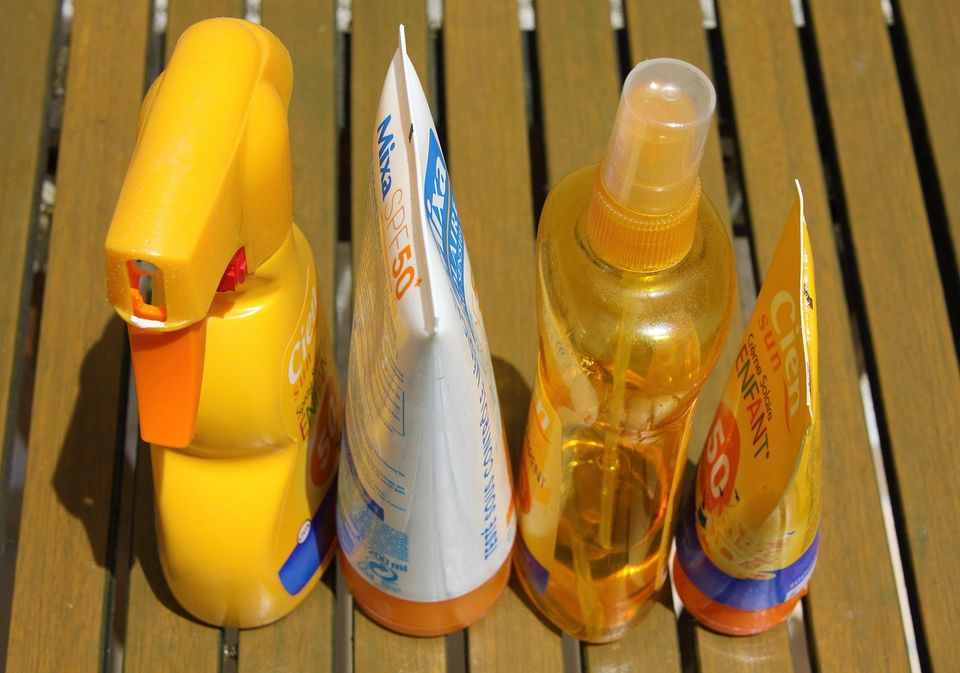
The American Academy of Dermatology (AAD) gives similar advice: SPF 30 or higher, broad spectrum and water resistant.
Ruling: a higher number does not mean you can stay out longer. The NHS says not to spend longer in the sun than you would without sunscreen.
How much sunscreen is enough?
The NHS says most people do not apply enough, and that putting it on too thinly reduces the protection. It suggests about 6 to 8 teaspoons for the whole body of an adult. The AAD says most adults need about 1 ounce, roughly a shot glass, for skin not covered by clothing, and at least 1 teaspoon for the face.
A simple habit: if a bottle lasts a very long time, you are probably using too little.
When do you put it on and reapply?
- Put it on before you go out. The AAD says skin needs about 15 minutes to absorb it. The NHS says if you will be out long enough to burn, apply it twice: 30 minutes before and again just before you go out.
- Cover all exposed skin, including the neck, ears and the tops of your feet. For lips, use a lip balm with SPF 30 or higher, per the AAD.
- Reapply about every 2 hours, and straight after swimming, towel drying or sweating, even if the product is water resistant.
Ruling: the best sunscreen is the one you will actually reapply.
What about sensitive skin and different types?
Labels such as mineral, fragrance free or for sensitive skin are about what is in the product. They do not on their own tell you it will suit you. If a product stings, causes a rash or you have eczema or acne, stop using it and ask a pharmacist, doctor or dermatologist. Test a new product on a small area first if you are prone to reactions.
The AAD notes that a tinted sunscreen with iron oxide may better protect skin from dark spots, because iron oxide blocks visible light. If dark patches are a concern, a dermatologist can examine your skin first.
Is sunscreen enough?
No. The NHS says not to rely on sunscreen alone. Spend time in the shade when the sun is strongest, cover up with clothing and sunglasses, and wear a wide-brimmed hat. It also says there is no safe or healthy way to get a tan. In a hot, bright country the sun is strong for much of the day, so build the habit rather than saving it for beach days.
Questions to ask your clinic or pharmacist
- Is this product suitable for my skin type and any conditions I have?
- How should I use it with my other skin products or treatments?
- If I have had a skin treatment, how long should I avoid the sun, and what should I wear?
- Are there ingredients I should avoid?
If you have had a laser or peel, your clinic will give you specific advice. See our pages on chemical peels and laser hair removal.
Common mistakes
- Using an expired bottle. The NHS says to check the open-jar symbol for how many months it lasts once opened.
- Skipping ears, neck and the backs of hands.
- Forgetting to reapply after sweating.
- Relying on make-up with SPF for a day outdoors, as it is usually applied thinly.
See a doctor if you notice a mole or mark that changes. Read should I get a mole checked.
Quick questions
What SPF should I use every day?
The NHS and AAD both say SPF 30 or higher with broad-spectrum protection. Ask a dermatologist if you have specific skin concerns.
Do I need sunscreen on cloudy days?
The NHS says you can burn even when it is cloudy. The AAD says to use sunscreen whenever you go outside.
How often do I reapply?
About every 2 hours, and after swimming, sweating or towel drying.
Is mineral sunscreen better?
Not as a rule. Choose by the label, your skin and whether you will use it. A pharmacist or dermatologist can advise on sensitive skin.
More to read
Keep reading

Laser hair removal: what to ask before you book
Laser hair removal questions to ask before booking: who is licensed, how skin and hair are assessed, side effects, aftercare and what to get in writing.
Thomas Lefèvre4 min read
Acne: when to see a dermatologist, not a salon
Acne is common and has many treatment options. Here is when official advice suggests seeing a doctor or dermatologist, and what to ask at the visit.
Thomas Lefèvre2 min read

Should I get a mole checked? What to do next
Wondering whether to get a mole checked? Here is when the NHS says to see a doctor, who to ask and what to bring, in plain words. Not a diagnosis.
Thomas Lefèvre2 min read
Questions to ask before a chemical peel
Thinking about a chemical peel? Here are the questions to ask a licensed professional, red flags to watch for and what to expect before and after.
Thomas Lefèvre5 min read

Laser tattoo removal: what to ask before you book
Thinking about laser tattoo removal? Here are the questions to ask about who is licensed, the laser used, skin checks, side effects, sessions and aftercare.
Thomas Lefèvre4 min read
Sunburn: what to do and when to get help
Sunburn: general first steps from official advice, such as getting out of the sun and cooling the skin, and the signs that mean you should seek medical help.
Thomas Lefèvre2 min read